Henry's Blog
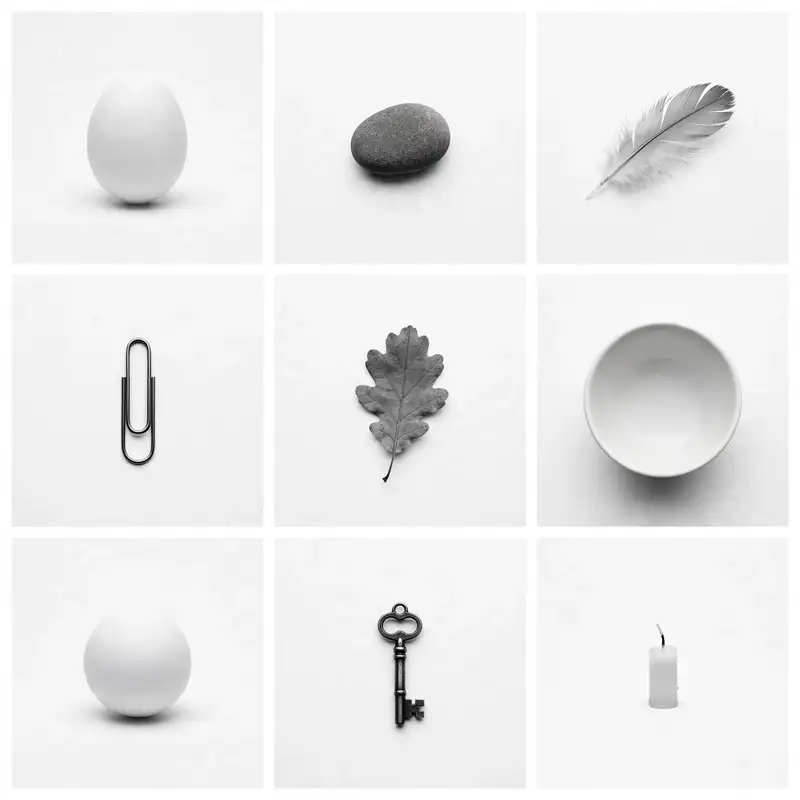
White space is a moral position.
Good Taste Is a Superpower
There is a man named Rick Rubin who has produced some of the most important records ever made. Johnny Cash's American Recordings. The Beastie Boys. The Red Hot Chili Peppers. Adele. He co-founded Def Jam out of a college dorm room.
Here is the remarkable thing about Rick Rubin: he does not play an instrument. He does not work the mixing board. By every conventional measure of musical ability, he is not qualified to be in the room.
And yet he is one of the most important figures in music history. Because what he possesses is taste.
He wrote a book called The Creative Act. The cover is a simple circle on white, nothing more. The entire book is a meditation on a single idea: that the artist's true work is not technique, it is sensitivity. Noticing. Knowing the difference between what is good and what is almost good, and refusing to accept almost.
That distinction, between good and almost good, is everything. It is the whole game, in music and in design and in everything worth making.
Most people believe creativity is about output. More work, faster. But Rubin sits on a couch, listens, and says “that is not it” or “that is it.” That sentence, delivered at the right moment by someone with genuine taste, is worth more than a thousand hours of labor without it.
Taste is the rarest skill because it cannot be faked and cannot be taught directly. It is developed slowly, by paying attention. By absorbing an enormous amount of excellent work and letting it reshape your instincts. By being honest with yourself when something you made is not yet good enough, even when shipping it would be easier.
And taste compounds. Each time you choose the better version, each time you remove what does not belong, each time you sit with the work until it becomes true, your taste grows sharper.
This matters more now than ever. Machines can generate a thousand songs, a thousand logos, a thousand layouts before lunch. Execution is becoming cheap. What is not cheap, what grows more valuable every day, is the person who can look at a thousand options and point to the one that matters. The curator. The one who knows.
You do not need to be the fastest or the most technically dazzling. But you must know what great looks like when you see it, and you must have the courage to hold out for it.
That is the work. Everything else is just typing.
Less, but Better
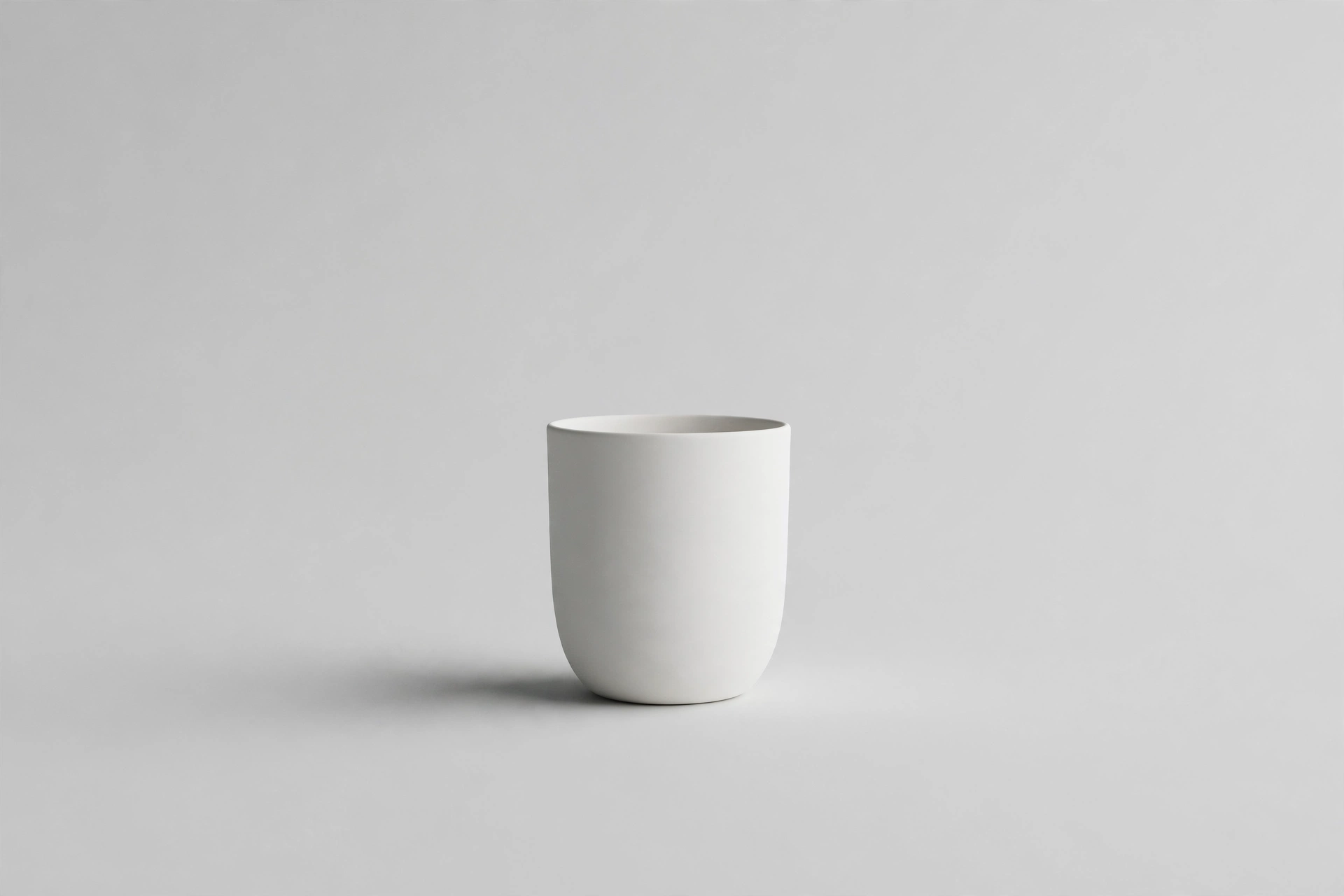
Dieter Rams said it in three words: less, but better. Not less for the sake of less. Less in service of better. Every removal should make what remains more true.
Most design fails not from what is missing, but from what should never have been added. The extra button, the clever animation, the third typeface. Each one seemed like a good idea alone. Together they are noise. The designer's real job is to be the person in the room willing to say: take it out.
This is harder than it sounds, because removal feels like loss. You made the thing. You liked the thing. But taste is not about what you can add. It is about what you can let go of. The white space is not empty. It is doing work.
Look at anything you love, a room, a song, a meal, a sentence, and you will find the same pattern. Someone decided what mattered and had the courage to remove the rest. Less, but better is not a style. It is a discipline. Practice it daily.
Nine Beautiful Things
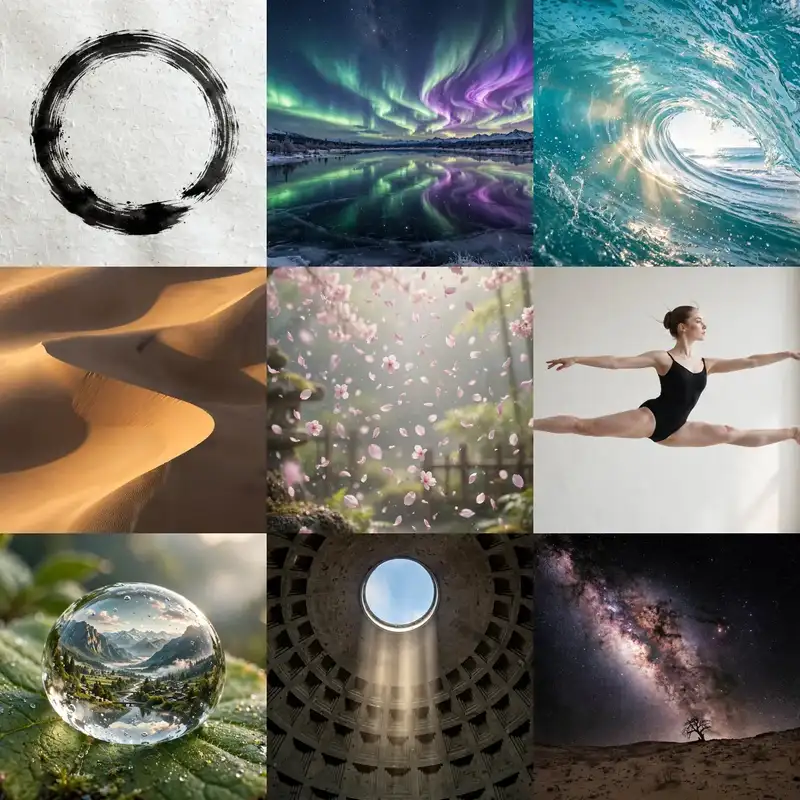
If I had to choose the nine most beautiful things in the world, these would be mine. Not the most impressive, not the most expensive. The most beautiful.
1. The enso. One brushstroke, no corrections. The whole of Japanese aesthetics in a single breath.
2. The aurora. Light that should not exist, dancing. The sky showing off.
3. The wave. Water deciding, for one moment, to become architecture.
4. The dunes. Wind as a sculptor. No two mornings the same.
5. Cherry blossoms falling. Beauty that knows it will not last, and falls anyway.
6. The dancer mid-leap. The human body refusing to accept gravity as a final answer.
7. The dewdrop. An entire world reflected in something smaller than your fingernail.
8. The Pantheon oculus. Two thousand years ago, someone cut a perfect circle in a ceiling and let the sky in.
9. The Milky Way. Everything. All of it. Above you on a clear night, asking nothing.
Notice what they have in common: none of them were designed to impress you. They just are. That is the highest form of beauty. It does not perform. It exists, and you are lucky enough to see it.
On Taste
Taste is the ability to tell the difference between what is good and what merely looks good. It is the quietest skill in design and the most important one. You can learn every tool, master every technique, ship a hundred projects, and still make things nobody remembers, if you cannot feel the difference.
Tools can generate a thousand variations in a minute, but they cannot tell you which one matters. That is not a small gap. It is the whole game. The machine gives you options. Taste tells you which option was worth making.
So seek out people who have it. Study their work until you can see what they see. Notice what they leave out, because taste is mostly subtraction. The best designers I know say no to almost everything. They protect the white space. They kill the clever idea that does not serve the simple one.
Taste compounds. Every time you choose the better thing, the next choice gets easier. Every time you settle, it gets harder. This is why it matters so much: taste is not a style, it is a direction. Point yourself toward the good stuff, keep walking, and trust that the distance will show.
Enso
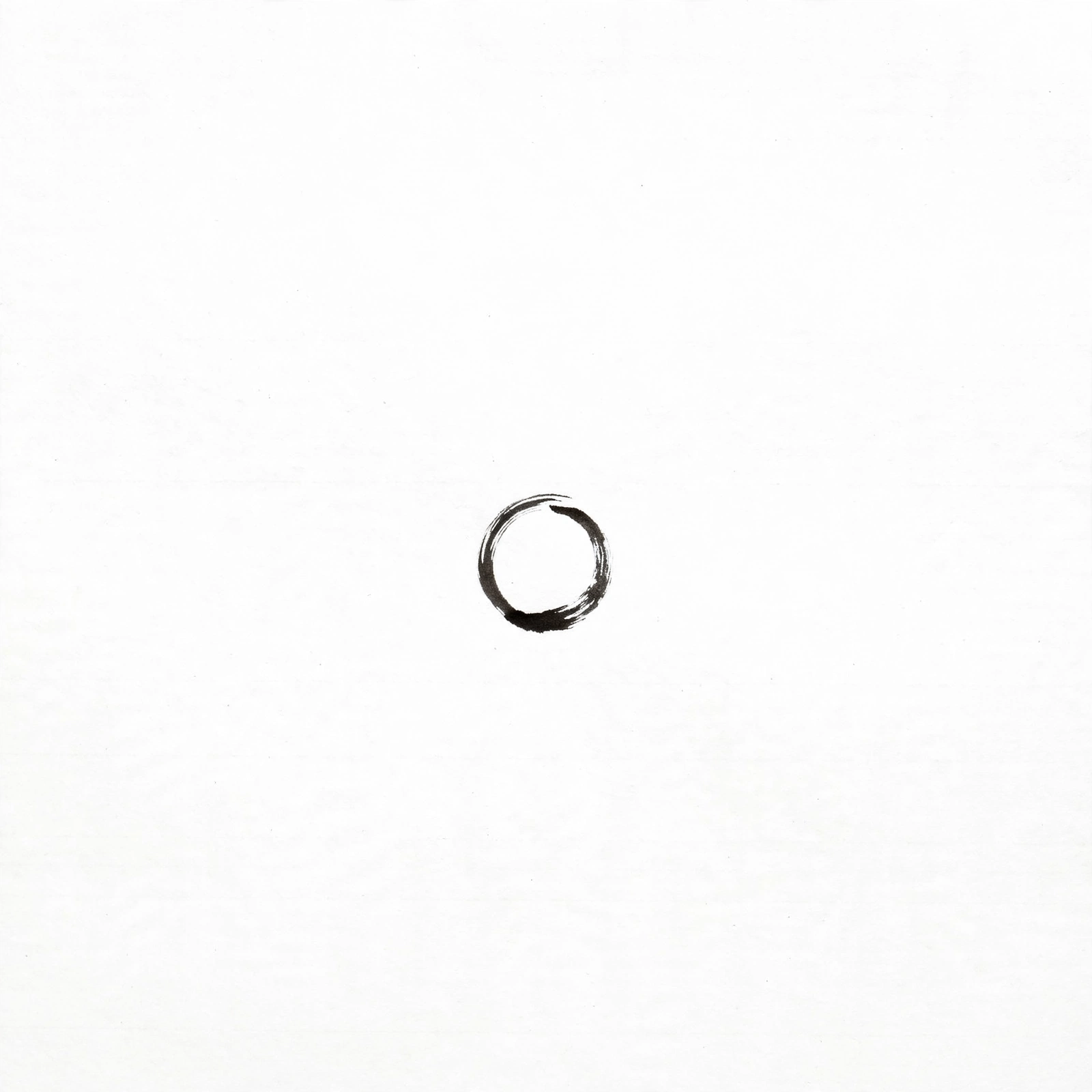
One brushstroke. No corrections, no second attempt. The enso is drawn in a single breath, and whatever happens in that breath is the piece.
This is the whole of my design philosophy in one image. Commit to the mark. Leave the rest white.
Henry Hue · Designer at E2