Starvard University · Conflict Resolution
Conflict is normal. Handled well, it makes relationships stronger. Learn to fight fair, cool down, listen hard, apologize right, and fix things.

The whole course in brief
The twelve lessons
Lesson 1
Here is the reframe that changes everything: conflict is not a sign of a broken relationship. It is a sign of a real one. Two people with different needs, habits, and perspectives will collide. The couples, teams, and friendships that last are not the ones without conflict. They are the ones that handle it well.
Avoided conflict does not disappear. It goes underground and compounds: small resentments stacking silently until something trivial detonates years of backlog. The fight you avoid today becomes the explosion next year. Early, small, honest conflict is maintenance. Avoided conflict is rot.
So stop aiming for zero conflict. Aim for clean conflict: early, calm, honest, and aimed at the problem. Handled this way, conflict actually builds trust, because each resolved disagreement proves the relationship can survive honesty. That proof is worth more than a hundred peaceful weeks.
Lesson 2
The classic negotiation book Getting to Yes opens with the master rule: be hard on the problem, soft on the people. Most fights do the opposite: soft on the problem, hard on the person. You are lazy becomes the argument instead of the dishes are piling up, let us fix the system.
The shift is physical almost: imagine the problem as an object on the table between you, and both of you on the same side looking at it. You versus me becomes us versus it. This one reframe dissolves half of all defensiveness, because nobody has to defend their identity anymore.
Language makes it real. Replace you always and you never with the specific situation. Replace character attacks with impact statements: when the report is late, I get anxious about the client. Same truth, zero identity threat. Attack problems together and you will be amazed how quickly opponents become teammates.

Lesson 3
When your heart rate passes about 100 beats per minute in a conflict, your thinking brain starts shutting down. Psychologists call it flooding, or diffuse physiological arousal. You literally cannot listen, empathize, or problem-solve in this state. Continuing the fight while flooded only causes damage.
The rule: when flooded, take a break of at least twenty minutes. That is how long stress chemicals take to clear. Walk, breathe, splash cold water, do anything physical. The key is to actually calm down, not to rehearse your next argument for twenty minutes.
Make this a pre-agreed rule, not a mid-fight invention. We take breaks when flooded and come back in an hour is a relationship contract. And the person calling the break must name the return time, or a break feels like abandonment. Cool down first. Every good resolution waits for calm.
Lesson 4
You-statements sound like accusations: you never listen, you always do this. The accused brain hears an attack and defends. Nothing gets resolved. I-statements report your experience, which cannot be argued with: I feel unheard when I get interrupted.
The formula: I feel, when, because. I feel frustrated when the plan changes last minute because I have rearranged my day twice. Then add the need: I need a heads-up by noon when possible. Feeling, situation, reason, request. Clean, specific, and impossible to dismiss as an attack.
It feels awkward at first, like a therapy exercise. Use it anyway. Within weeks it becomes natural, and you will notice fights de-escalating in real time. The magic is not the grammar. It is what the grammar forces: speaking about your experience instead of their character. That is the whole difference between a fight and a conversation.
Lesson 5
A position is what someone says they want: I need the car Saturday. An interest is why they want it: I need to get to my mom's. Positions clash. Interests often align or can both be satisfied. The orange story is the classic: two people fight over one orange, split it, then learn one needed the juice and the other the peel. Both could have had everything.
In real conflicts, dig beneath the demand with why questions. Why does Saturday matter? What would that give you? Keep asking until you hit the real need: autonomy, rest, recognition, security. Most entrenched fights are two people defending positions that both miss the actual interests.
Once interests are on the table, solutions multiply. Brainstorm options without judging them yet. Quantity first, quality later. You will often find a third option neither position allowed. The fight was never about the orange. It is never about the orange.

Lesson 6
Listening during conflict feels impossible and is the most powerful move available. When someone feels truly heard, their nervous system calms, their defensiveness drops, and they become capable of hearing you. Heard people can negotiate. Unheard people can only fight.
The technique is reflective listening under fire. Paraphrase their view before defending yours: so you felt blindsided when I changed the plan, and it made the whole week feel unstable. Is that right? Do not agree yet. Just prove you got it. Most people have never had their angry words reflected calmly, and it disarms them.
Make it a rule: each person states the other's view to the other's satisfaction before responding. It slows everything down, which is the point. Slow is smooth, smooth is resolved. The couple or team that can do this can survive anything.
Lesson 7
Most apologies fail. I am sorry you feel that way apologizes for their feelings, not your actions. I am sorry, but you... cancels itself with the but. A real apology has three parts: full ownership, no defense, plus repair. I was wrong to snap at you. You did not deserve that. Here is what I will do differently.
Ownership means naming the specific action, not a vague sorry for whatever. No defense means zero explanation of why you did it, save that for later or never. Repair means asking what would help, or offering it: how can I make this right? Then the critical fourth part: actually change. An apology without changed behavior is manipulation.
Apologize early, before being asked if possible. The longer you wait, the more it looks tactical. And accept that some apologies will not be accepted immediately. You do not apologize to get forgiveness. You apologize because it was yours to own. Do it right and most relationships come back stronger.
Lesson 8
Once everyone is calm and heard, solve the actual problem. Separate inventing from deciding: first brainstorm options freely, no judging, wild ideas welcome. Then evaluate: which options meet both sides' interests? Then agree on specifics, not vibes.
Specifics are everything. We will communicate better is a wish. I will text by noon if plans change, and you will assume good intent if I am late once is an agreement. Who does what, by when, and how will we know? Write it down for important ones. Memory is generous to whoever remembers it their way.
Build in a review: let us try this for two weeks and check in. This lowers the stakes of agreeing, because nothing is forever, and it creates accountability without policing. Most conflicts end here, with a concrete plan both sides shaped. The plan is the proof that the fight was worth having.

Lesson 9
Sometimes the other person refuses: stonewalling, walking away permanently, or agreeing to talk and never showing up. You cannot force a resolution alone. But you are not powerless.
First, make engaging safe and easy. Some people avoid conflict because every past attempt exploded. Propose structure: twenty minutes, public place or with a mediator, one topic, breaks allowed. Lower the threat and some avoiders will try. Write it down if talking fails: a calm letter gets past the defenses that live conversation triggers.
Second, know your alternatives. You can change your own behavior unilaterally, set boundaries about what you will accept, or in some cases, accept the relationship as it is and grieve the resolution you wanted. And sometimes the right move is a mediator or counselor, which is strength, not failure. A neutral third party unlocks deadlocks professionals cannot.
Lesson 10
Workplace conflict has extra rules because the relationship is not optional and power dynamics are real. The principles still apply, but the packaging changes. Keep it professional, documented, and focused on work outcomes.
With peers: address it directly and early, privately, framed around the shared goal. I want this project to succeed, and the handoff keeps slipping. Can we fix the process? With your manager: bring problems with proposed solutions, document agreements in email, and pick battles carefully. Not every annoyance deserves a confrontation.
With reports: be direct and kind, specific about the behavior and its impact, clear about expectations going forward. Never criticize publicly. And know when to escalate: to HR or a mediator when there is harassment, discrimination, or a deadlock you cannot break. Work conflict handled well builds your reputation. Handled badly, it follows you.
Lesson 11
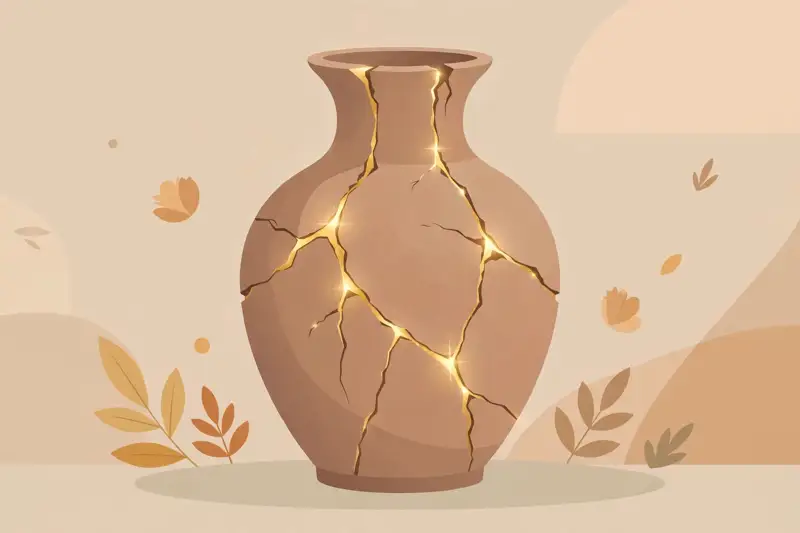
The fight ending is not the conflict ending. Without deliberate repair, residue lingers: the cold politeness, the scorekeeping, the next fight starting at level six instead of level one. Repair is the landing the relationship needs.
Repair has rituals. Reconnect physically: a hug, a walk, a meal together. Name what happened without reopening it: that was rough, I am glad we worked through it. Reaffirm the relationship: you matter more to me than any argument. And do something kind soon after, a small deposit proving the account is open.
Then extract the lesson together, lightly. What would we do differently next time? Couples and teams that debrief their conflicts get better at them, measurably. The goal is a relationship where fights end closer than they started. That is not a fantasy. It is what repair does, practiced consistently.
Lesson 12
Your complete playbook on one page. When conflict hits: pause and check flooding, yours and theirs. If flooded, call the break with a return time. When calm, separate the people from the problem: us versus it. Speak in I-statements: I feel, when, because, I need. Listen reflectively: state their view to their satisfaction before responding.
Dig for interests beneath positions with why questions. Brainstorm options, then agree on specifics: who, what, by when, written down. Apologize fully when you are wrong: own it, no but, repair, change. Afterward, repair deliberately: reconnect, reaffirm, debrief.
Write your personal version of this on an index card and keep it where fights happen. In the heat of the moment, you will not remember the theory. You will remember the card. Conflict handled this way does not just resolve. It builds the kind of trust that only survived honesty can create.
Graduation
Conflict is not the enemy of relationships. Avoided, mishandled conflict is. You now have the playbook: cool down first, separate people from problems, speak your experience, listen until they feel heard, dig for interests, apologize completely, negotiate specifics, and repair deliberately. Handled this way, every conflict becomes proof the relationship can survive honesty. That proof is priceless.
Keep learning
This course is part of Starvard University, striving for greatness.