Starvard University · Emotional Intelligence
The ability to notice what you feel, manage it, and understand what others feel. It predicts success more than IQ at work, and it is completely learnable.

The whole course in brief
The twelve lessons
Lesson 1
Emotional intelligence has four parts, and none of them are mysterious. Self-awareness: noticing what you feel as you feel it. Self-regulation: choosing your response instead of exploding or shutting down. Empathy: sensing what someone else feels. Social skill: navigating relationships smoothly. That is the whole model.
Here is why it matters. Studies of workplaces keep finding that EQ predicts performance, leadership, and income better than IQ once you are smart enough to do the job. Jobs need a baseline of smarts, and after that, the differentiator is almost always how you handle yourself and other people.
The best part: EQ is a set of learnable skills, not a fixed trait. IQ barely moves in adulthood. Emotional skill moves a lot with practice. This course is the practice plan.
Lesson 2
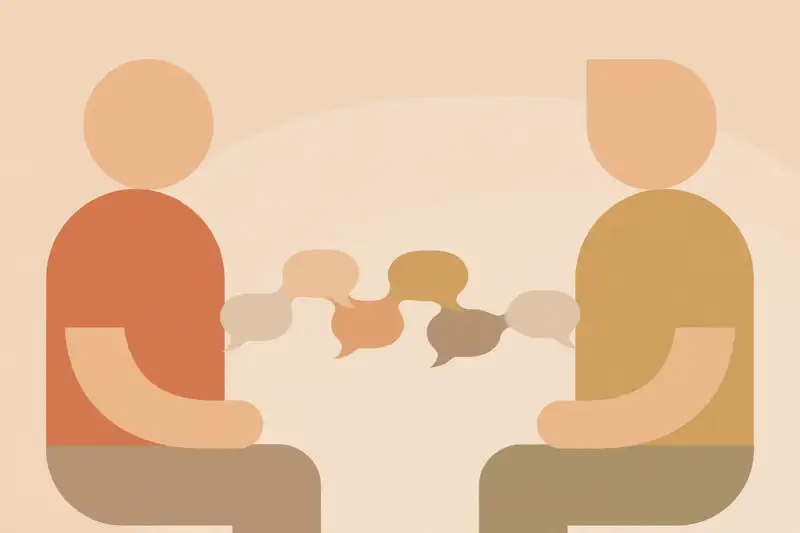
Most people have about four emotional words: happy, sad, angry, stressed. That is like a painter with four colors. When you cannot name a feeling precisely, it stays a fog, and fog is hard to act on.
Brain science backs this up. In lab studies, simply labeling an emotion with words reduces activity in the amygdala, the brain's alarm bell, and increases activity in the thinking brain. Psychologists call it affect labeling. You call it: I am not stressed, I am disappointed because the meeting went badly.
Build your vocabulary on purpose. Instead of angry, try: frustrated, disrespected, overlooked, rushed. Instead of sad, try: lonely, disappointed, grieving, tired. The more precise the word, the clearer the path forward. Keep a note on your phone and add one new emotion word a week.
Lesson 3
When something triggers you, your body floods with stress chemicals. Here is the useful fact: the chemical surge of an emotion lasts about 90 seconds. After that, any continued upset is you re-triggering yourself with thoughts. Knowing this changes everything.
The pause is the space between stimulus and response, and it is where all your power lives. When you feel the heat rising, buy time: six slow breaths, a sip of water, an excuse to step out. You do not have to solve anything in the pause. You just have to not act while flooded.
Practice the pause when the stakes are low, like in traffic or a slow checkout line. Then it is available when the stakes are high. People who master the pause do not become emotionless. They become the calmest person in the room, which looks like a superpower.
Lesson 4
A trigger is a reaction that is bigger than the situation deserves. Your partner is ten minutes late and you feel abandoned. A colleague's tone feels like an attack. The size of the reaction is the clue: it is not about now, it is about then. Something old got poked.
Triggers are not character flaws, they are maps. Each one points to an unhealed spot: being overlooked, being criticized, feeling out of control. Write down your top three triggers and what they remind you of. The goal is not to dig up the past forever, it is to recognize the pattern in the moment.
Once you know a trigger, you can name it in real time: this is my being-overlooked trigger, not the actual meeting. That single sentence puts the thinking brain back in charge. Triggers lose power the moment they are seen clearly.
Lesson 5
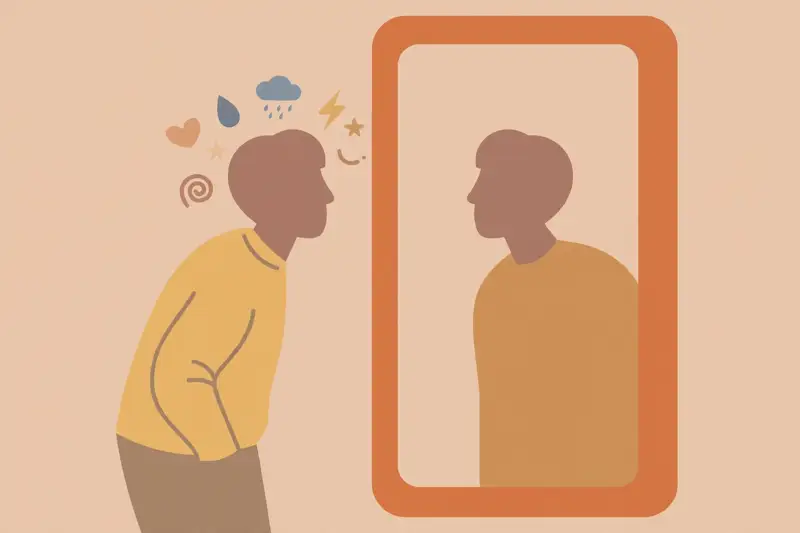
Almost everyone thinks they are a good listener. Almost no one is. Most listening is waiting for your turn, half-listening while planning your reply, or listening for the problem so you can fix it. Real listening is rarer and far more powerful.
The mechanics are simple. Put the phone away. Make eye contact. Do not interrupt. When they pause, wait two more beats, because the real thing often comes after the pause. Reflect back what you heard: it sounds like you felt blindsided by that. Then ask one more question instead of giving advice.
People will tell you their real problems only when they feel truly heard. In relationships, at work, with your kids, being heard is the thing people are actually hungry for. Master this and you will be the person everyone wants to talk to.
Lesson 6
Words are maybe 10 percent of what people communicate. The rest is tone, face, posture, pace, and what is not said. High-EQ people scan the room the way a pilot scans instruments: constantly, automatically.
Learn the basic tells. Crossed arms plus leaning away means closed. A tight smile that does not reach the eyes means strained. Someone going quiet in a group usually means they disagree or are hurt. A sudden change, like the talkative person who stops talking, is the signal, not any single posture.
The skill is not just reading, it is adjusting. If the room goes tense, name it lightly: feels like we hit a nerve there. If someone shuts down, give them an exit ramp. Reading the room lets you respond to what is actually happening instead of the script in your head.
Lesson 7
You never react to events. You react to the story you tell about events. Your friend does not text back. Story one: they are mad at me. Story two: they are busy. Same event, completely different emotions. The story is the whole game.
Your brain writes stories fast, and the first draft is usually the worst one: the most personal, the most catastrophic. High-EQ people treat the first story as a draft, not a fact. They ask: what are three other stories that fit these facts? What would I tell a friend in this situation?
This is not positive thinking. It is accurate thinking. Most of the time the kinder story is also the truer one. Rewriting the story before reacting saves you from fights, spirals, and sleepless nights that were never about anything real.
Lesson 8
Most people either avoid hard feedback until they explode, or deliver it like a courtroom verdict. Both damage the relationship. The middle path: early, specific, and kind.
The formula that works: describe the behavior, not the person. I noticed the report went out with last quarter's numbers is fixable. You are careless is an identity attack that starts a war. Then say the impact, then make a clear request. Behavior, impact, request. Thirty seconds, no drama.
Pick the right moment: private, soon after the event, when you are calm. And ask permission when you can: can I give you some feedback on the presentation? Permission turns the listener's defenses down. People who give kind, direct feedback are trusted far more than people who are only nice.
Lesson 9
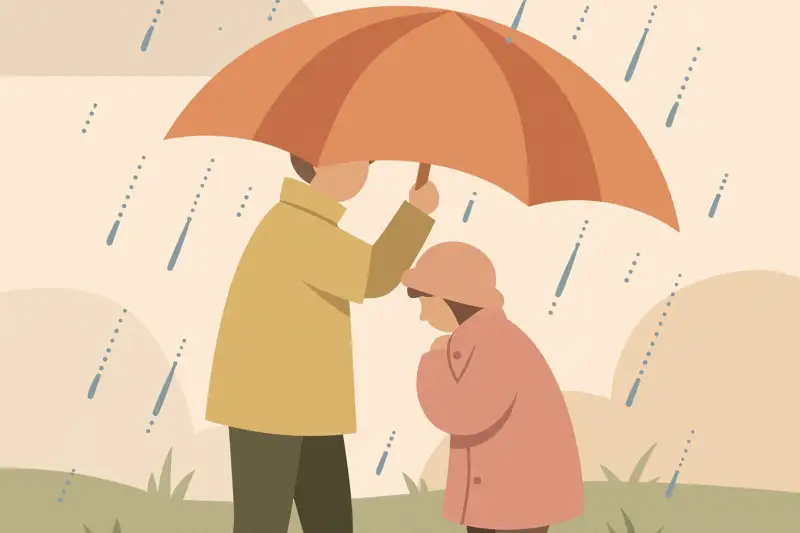
Feedback hurts because it threatens our identity. Your brain hears you messed up this slide as you are incompetent. That leap happens in milliseconds, and it is why most people defend, deflect, or shut down instead of listening.
The move: separate the delivery from the data. Even clumsy, poorly delivered feedback usually contains something useful. Your job is to pan for gold: thank them, ask for specifics, and decide later what to keep. Just listen and breathe is a complete strategy in the moment.
Here is the secret about feedback: the people who take it well get more of it, get better faster, and get promoted more. Being coachable is a competitive advantage disguised as humility. Ask for it regularly and watch how fast you grow.
Lesson 10
There is a difference between honesty and dumping. Honesty is: I am feeling overwhelmed today, so I might be quiet. Dumping is a 20-minute monologue about your childhood. One builds connection, the other builds distance.
The rule: share the feeling and the relevant context, briefly. Name what is going on inside you when it affects others, because people can feel the tension anyway and will invent worse stories. But your feelings are not everyone else's homework.
At work, honest sounds like: I am frustrated with this timeline, and here is what I need. At home: I am sad today, it is not about you, I just need some quiet. Clean, brief, true. That is emotional honesty done right.
Lesson 11
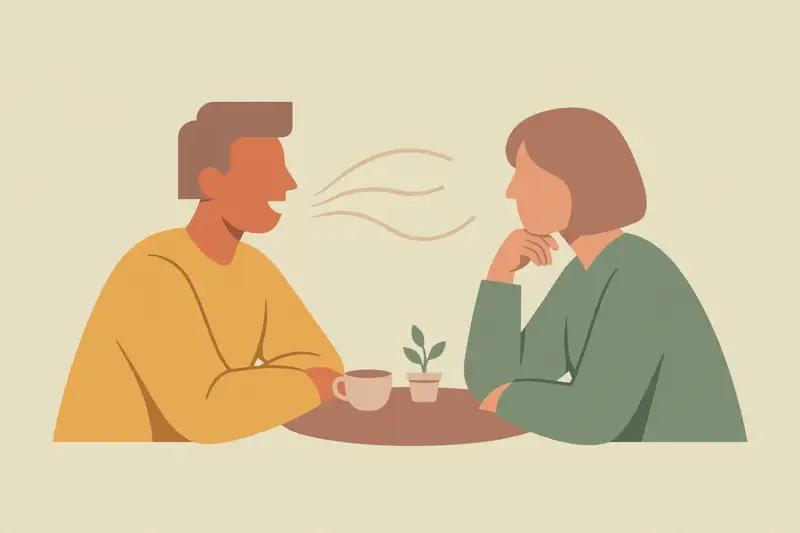
When someone you love is hurting, your instinct is to fix it. Offer solutions, find the silver lining, cheer them up. It feels helpful. It almost never is. What they usually want first is to feel felt.
Empathy has a simple script: reflect and validate. That sounds really hard. Of course you are upset, anyone would be. No solutions, no silver linings, no stories about your worse problem. Just be in it with them for a while. Most people calm down faster when they feel understood than when they get advice.
Fixing has its place, but only after empathy, and only with permission. Try: I have a thought, want to hear it? If they say no, respect that. Connection first, solutions second, and you will be amazed how often the problem shrinks on its own.
Lesson 12
EQ grows like a muscle: small daily reps, not one big epiphany. Here is a 30-day plan. Week one: label one emotion per day with a precise word. Week two: practice the six-second pause once a day in a low-stakes moment. Week three: do one deep-listening conversation, no advice allowed. Week four: ask one person for honest feedback and just take notes.
Track it simply: one line a day in a notes app. Noticed I was actually embarrassed, not angry. Paused before replying to the email. Listened to Mom without fixing. The log itself builds awareness, because you start watching your inner life the way a coach watches film.
In thirty days you will not be a new person. You will be the same person with better tools, and people will notice. Calmer in conflict. Easier to talk to. Harder to rattle. That is what emotional intelligence looks like from the outside: steadiness. Start today.
Graduation
You now know the whole model: notice what you feel, name it precisely, pause before reacting, learn your triggers, question your stories, listen like you mean it, and lead with empathy. None of this is about being soft. It is about being unshakeable. The calmest person in the room is usually the most effective one, and calm is trainable.
Keep learning
This course is part of Starvard University, striving for greatness.