Starvard University · Job Interviews 101
Get the offer. Interviews are not exams; they are conversations with a decision at the end. Preparation, real stories, and sharp follow-up turn nervous candidates into hired ones.

The whole course in brief
The twelve lessons
Lesson 1
An interview starts before you apply. Read the job posting like a map: the first paragraph tells you the real problem, the requirements list tells you what to emphasize, and the nice-to-haves tell you how to stand out. Tailor your resume to mirror their language, because humans and software both scan for matches.
Apply with intent, not in bulk. Ten tailored applications beat a hundred identical ones. For the roles you really want, find one genuine connection to the company: a product you use, a value you share, a problem you would love to solve. Authentic enthusiasm is the rarest thing in a stack of applications.
Lesson 2
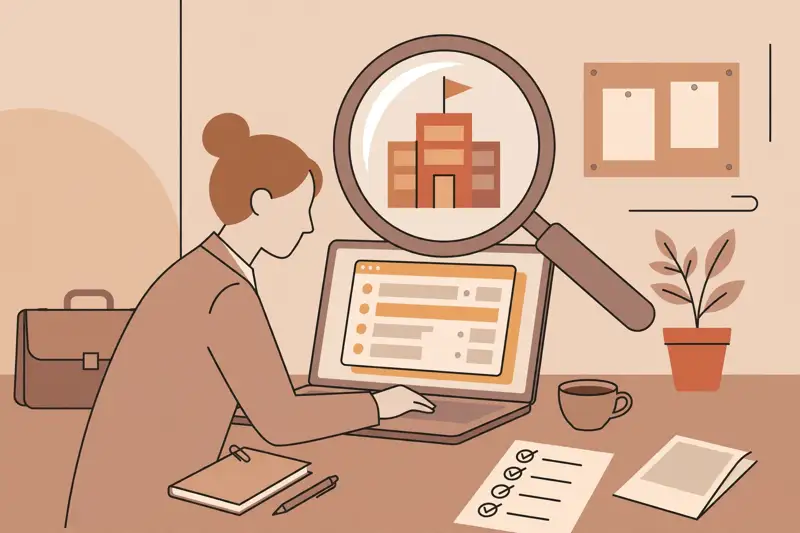
Walking into an interview without researching the company is like showing up to a date without knowing their name. Spend an hour: the company website and recent news, the product or service, the team on LinkedIn, and one opinion about where the company is headed. That last part is your secret weapon.
Research the interviewers too. Their LinkedIn tells you their background, their posts tell you what they care about. "I saw you wrote about X" is a powerful opener. Preparation shows respect, and respect is half the decision.
Lesson 3
Almost every interview question is answered with a story. Prepare five: a big win, a hard challenge, a failure you learned from, a conflict you resolved, and a time you helped a team succeed. Write each one down with the situation, what you did, and the result. Numbers make them real.
Practice telling them out loud until they feel natural, not memorized. Two minutes each is the sweet spot. These five stories will answer eighty percent of behavioral questions, because interviewers are all asking the same thing in different words: "Can you handle our problems?"
Lesson 4
This opener is not small talk; it sets the frame for everything after. Use the present-past-future shape: where you are now, how you got here, and why this role is the obvious next step. Ninety seconds, tops.
Make it a story, not a resume recitation. They have your resume; they want the narrative. End by connecting to them: "and that is why this role caught my eye." A confident, tight opener makes the whole interview easier, because you start from a position of clarity.
Lesson 5
"Tell me about a time you..." is the most common interview question in the world, and it terrifies people unnecessarily. The interviewer wants evidence, not theory. Pick one of your five stories, tell it with the situation, your actions, and the result, and stop there.
The mistake is rambling. Keep the setup short, spend most of your time on what YOU did (not the team, not the company), and land on a concrete result. "We increased retention 15%" ends a story. "It went pretty well" does not.

Lesson 6
"What is your greatest weakness?" still shows up, and "I am a perfectionist" is still a terrible answer. Pick a real weakness, show what you are doing about it, and keep it work-relevant but not disqualifying. "I used to avoid difficult conversations; now I prepare for them and have them early" is honest and shows growth.
For "why did you leave your last job," stay forward-looking: "I learned a lot there, and I am looking for X, which is why this role fits." Never badmouth a former employer. It does not matter how true it is; it makes the interviewer wonder what you will say about them.
Lesson 7
"Do you have any questions for us?" is a test, and "no" is a failing answer. Your questions reveal how you think. Ask about the work: "What does success look like in the first 90 days?" Ask about the team: "What is the biggest challenge the team faces right now?" Ask about them: "What do you enjoy most about working here?"
Avoid questions you could have Googled, and avoid leading with money and perks; those come at the offer stage. Three thoughtful questions prepared, one or two asked. You are interviewing them too, and the best candidates act like it.
Lesson 8
Logistics win interviews. Arrive ten minutes early (in person) or log on five minutes early (video). Dress one notch above the company's norm. Bring a notebook, a pen, and printed copies of your resume. Eat something. The basics are boring and they matter enormously.
In the room: smile, make eye contact, sit up, and match the interviewer's energy. Slow down when you talk; nerves make everyone rush. Treat the receptionist and the coordinator like the hiring manager, because their opinion travels. Be the candidate who is easy to say yes to.
Lesson 9
Video interviews have their own rules. Camera at eye level, light on your face, clean background, and look at the camera, not the faces on screen; that is what eye contact means on video. Test your audio and connection ten minutes early.
Keep answers slightly shorter than in person, because video attention fades faster. Have your notes nearby (that is the one advantage of video), but do not read from them. And dress fully, not just from the waist up; it changes how you carry yourself, and sometimes you have to stand up.
Lesson 10
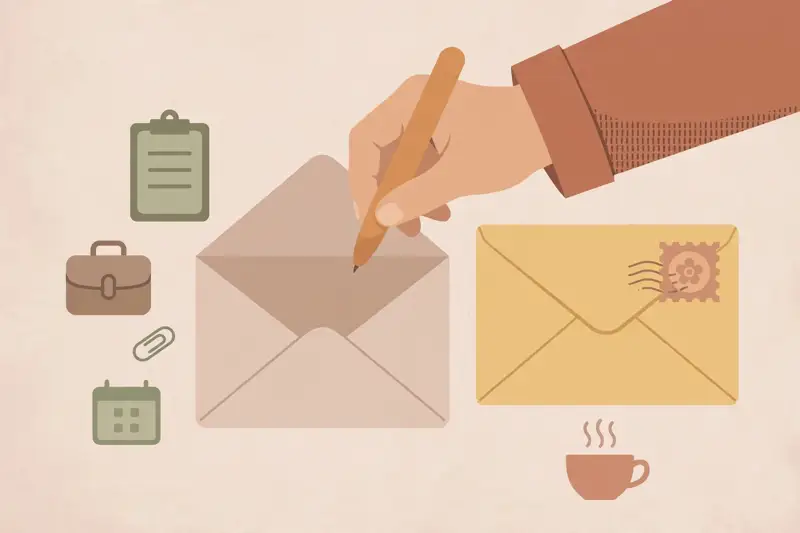
Within 24 hours, send a short thank-you email to each interviewer. Not a form letter: reference something specific from your conversation. "I enjoyed hearing about the migration project; it reminded me of..." Two or three sentences of genuine specifics beat a page of flattery.
If you have not heard back by their stated timeline, one polite nudge is fine: "Still very interested, happy to provide anything else." Then move on mentally. Following up shows interest; chasing shows desperation. Know the line.
Lesson 11
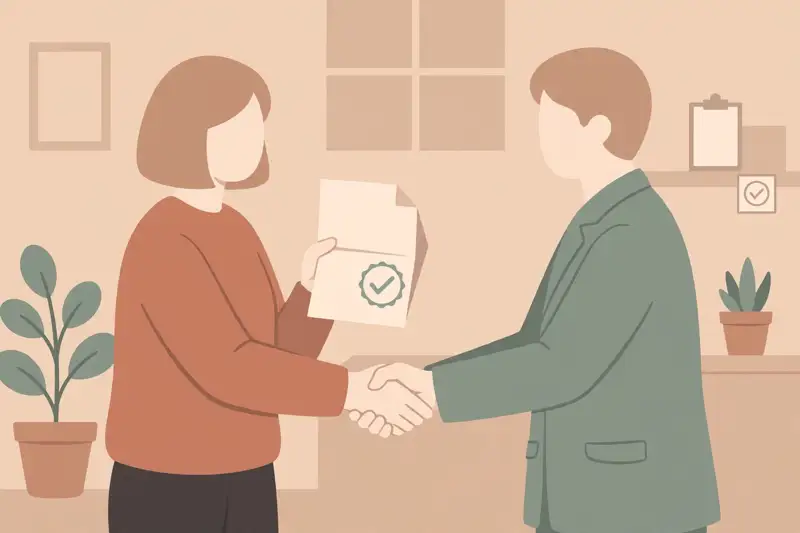
The first offer is a starting point, not a final answer. Companies expect negotiation; failing to negotiate is leaving money on the table for your entire tenure, because raises compound from your starting salary. Always ask, always politely.
The script: express enthusiasm first ("I am excited about this role"), then ask for more with a reason ("Based on my experience with X, I was hoping for something closer to Y"). Negotiate the whole package, not just salary: signing bonus, remote days, start date, title. Get the final offer in writing before you resign.
Lesson 12
You will get rejected. Everyone does. It usually is not about you; it is about fit, timing, budgets, and internal candidates you never knew existed. Ask for feedback once, politely, then file it and move on. Never argue with a rejection.
Treat interviewing as a skill with reps. Every interview teaches you something: a question you fumbled, a story that landed, a company you now understand. Keep a running list of what worked. The candidate who learns from ten interviews is unstoppable at the eleventh.
Graduation
Research like a detective, walk in with five great stories, answer the real question, ask sharp ones back, show up early and warm, follow up with specifics, negotiate politely, and treat every rejection as training. Interviews are a learnable skill, and you just learned it. Now go get the offer.
Keep learning
This course is part of Starvard University, striving for greatness.