Starvard University · Journalism
Find the truth and tell it straight: how reporting works, how to interview anyone, how to check facts, and how to read the news without getting played.

The whole course in brief
Twelve lessons, twelve big ideas.
The twelve lessons
Lesson 1
Journalism exists to find out what is true and tell it clearly, with special attention to power: what governments, companies, and institutions are doing, especially when they would rather you did not know. It is not entertainment, not activism, not content. It is a discipline of verification applied in public, on deadline.
The core promise to the reader is simple: we checked. Everything in this course serves that promise. The tools change, platforms rise and fall, but the job stays the same. Someone has to go find out, and then tell it straight.
Lesson 2
Every news story answers six questions: who, what, when, where, why, and how. They are the skeleton of reporting. Before you write a word, make sure you can answer all six. The gaps in your answers are your reporting to-do list.
"Why" and "how" are where the real story lives. Anyone can report that a building burned down. The journalism is in why it burned, how the inspections failed, and who is responsible. Beginners collect whats. Reporters hunt whys.
Lesson 3
Stories hide in plain sight. The best sources: public records (budgets, meeting minutes, court filings, inspection reports), data (which anyone can analyze), and people (whistleblowers, workers, neighbors). Most great stories start with someone saying "you should look into this."
Train yourself to notice the gap between the official story and reality. The press release says the program is a success; the numbers say otherwise. The official says no one complained; the inbox says otherwise. Journalism lives in that gap. Curiosity plus documents beats access every time.
Lesson 4
Good interviews are 90% preparation, 10% conversation. Research the person, know the documents, and arrive with a plan. Then: ask short, open questions ("tell me about..."), and shut up. Silence is the reporter's secret weapon. People fill silence, and what they fill it with is often the quote you came for.
Ask one question at a time. Ask for specifics ("what did the room look like?"). Ask the naive question; experts love explaining basics and often reveal the most there. End with "is there anything I should have asked?" and "who else should I talk to?" Those two questions have launched a thousand stories.
Lesson 5
The old newsroom saying: "If your mother says she loves you, check it out." It sounds cynical. It is actually respect, for the reader and the truth. Memory is unreliable, people misremember honestly, and some people lie. Verification is how you tell the difference.
The method: confirm claims against documents, get a second source for anything contested, and call the subject of criticism for comment before publishing. That last one is non-negotiable. It is fairness, and it is also self-protection: the response often improves the story or kills a mistake before print.
Lesson 6
Sources come in flavors. On the record: you can quote them by name. On background: you can use the information but not name them. Off the record: you cannot use it at all (and you must agree to those terms BEFORE they talk, not after). Deep background: you can use it without attribution or description.
Anonymous sources are a last resort, not a convenience. The rule: use them only when the information is crucial, unavailable any other way, and the source faces real harm for speaking. Then tell the reader as much as you safely can about why this person would know. "Sources say" with no explanation is asking for trust you have not earned.
Lesson 7
Objectivity in journalism does not mean having no judgment. It means the method: pursue the truth without favor, present the strongest version of each side, and follow evidence where it leads. It does not mean giving equal weight to unequal evidence. A story on vaccines does not need equal time for fringe claims; that is false balance, and it misleads.
The practical test: would each side recognize their own position in your story, even if they dislike your conclusions? If yes, you were fair. Transparency helps: show your work, link the documents, explain how you know. In an age of mistrust, showing the receipts beats asserting the conclusion.
Lesson 8
Investigations are just reporting with more time. The trails: money (who got paid, who benefited), documents (contracts, emails, filings), and incentives (who had reason to do this). Start with a hypothesis, then try to disprove it. The story that survives your own skepticism is the story worth publishing.
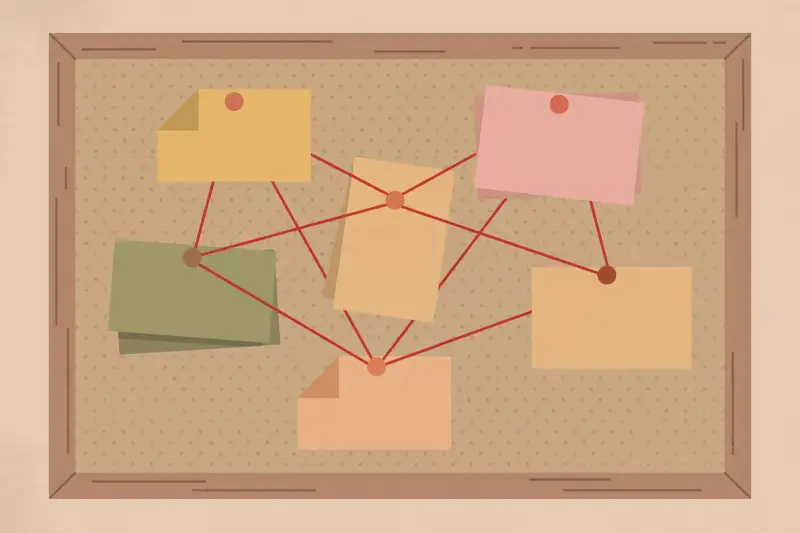
Organize as you go: timelines, lists of who knew what when, document folders. Investigations die in messy notebooks. And protect your sources and yourself: keep notes secure, know the law in your jurisdiction, and never promise protection you cannot deliver. The work is slow. That is why it matters.
Lesson 9
The lede is the first sentence, and it carries the most important thing: what happened, to whom, and why it matters. Not the background, not the throat-clearing. The inverted pyramid puts the crucial facts first and details after, so a reader who stops halfway still got the point.
Write short sentences. Use active verbs. Quote people sparingly and only when the quote says it better than you can. Kill jargon on sight. And the headline is a promise: it must be accurate first, interesting second. A clever headline that misleads is a lie with good rhythm.
Lesson 10
The code, boiled down: seek truth and report it, minimize harm, act independently, and be accountable. Do not pay sources (it buys testimony). Do not deceive to get a story except in rare, justified cases. Correct errors quickly and visibly. Disclose conflicts. These are not suggestions; they are what separates journalism from propaganda with better lighting.
Minimizing harm is the hardest one. Publishing the truth can hurt innocent people: victims, families, the wrongly accused. The question is always proportionality: does the public's need to know outweigh the harm? There is no formula. There is judgment, editors, and the willingness to kill a story that is true but not worth the damage.
Lesson 11
Now flip it: you are the reader. For every story, ask: who reported this, and how do they know? Named sources and documents beat anonymous claims. What is missing: who did they not talk to? What is the evidence actually showing versus what the headline claims? And who benefits if I believe this?
Learn the genres: straight news (what happened), analysis (what it means), opinion (what someone thinks). Outlets mix them; your job is to sort them. Diversify your diet across the spectrum, distrust anything that only appears in one place, and wait 24 hours on breaking news. The first version is almost always wrong in the details.
Lesson 12
The gates are down. You do not need a press badge to do journalism: a phone, public records, and the methods in this course are enough to hold local power accountable. Some of the best reporting today comes from independents, newsletters, and citizens who learned to file records requests.
The business model is still unsolved, which is why local news is dying in many places. That is an opportunity, not just a tragedy. Your town's school board, zoning meetings, and budgets are barely covered. Pick up the tools, go to the meeting, write it up straight. Democracy needs witnesses. Now you know how to be one.
Graduation
Who, what, when, where, why, how. Talk to people, check the documents, verify everything, give the other side its due, and write it straight. That is the whole craft, and it has never been more needed or more available to ordinary people. The world runs on stories about what is true. Go make sure some of them are.
Keep learning
This course is part of Starvard University, striving for greatness.