Starvard University · Memory
Your memory is not a fixed container, it is a trainable skill. Learn how it works and use it to remember names, facts, ideas, and where you put your keys.

The whole course in brief
The twelve lessons
Lesson 1
Nobody in the memory championships was born with a superhuman brain. Brain scans of memory athletes show ordinary brains running extraordinary software: techniques anyone can learn. In studies, six weeks of memory-palace training measurably rewired beginners' brains. The hardware is fine. It is the software that needs an upgrade.
This matters because modern life quietly atrophies memory. Phones remember numbers, calendars remember dates, GPS remembers routes. Offloading is efficient, but the muscle weakens from disuse. Then we notice we cannot remember names at a party and conclude we have a bad memory. We do not. We have an untrained one.
This course installs the software: how memory works, how to encode so things stick, the memory palace, systems for names and numbers, and what to externalize versus internalize. Twelve lessons. Your memory is about to get noticeably better.
Lesson 2
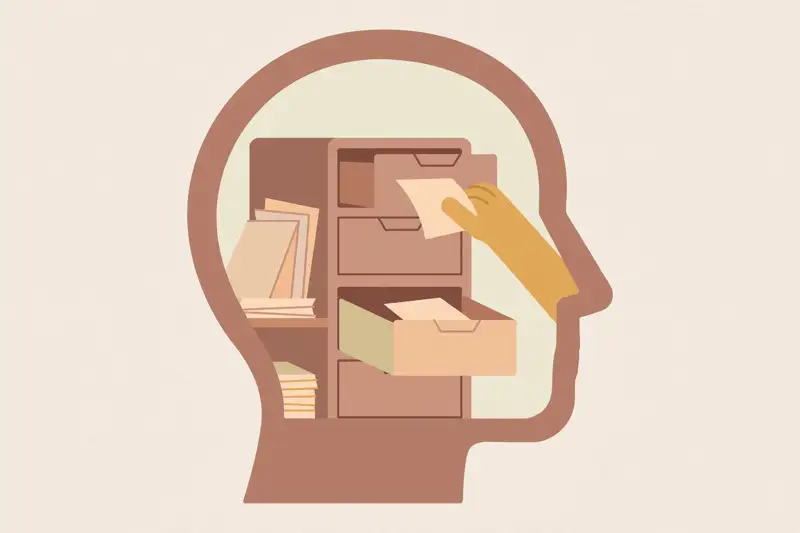
Memory has three stages, and most failures happen at stage one. Encoding: getting information in. Storage: keeping it over time. Retrieval: pulling it out when needed. When you forget someone's name seconds after hearing it, nothing is wrong with your storage. The name never got encoded.
Encoding needs attention plus meaning. Your brain saves what it attends to and what it connects to existing knowledge. Storage then depends on consolidation, largely during sleep, and on repeated retrieval. Each successful recall strengthens the trace. Retrieval is the final stage, and it is cue-dependent: memories come back through associations, which is why a smell can unlock a childhood summer.
The practical takeaway: most memory problems are encoding problems. You were not listening, you did not connect it to anything, you moved on too fast. Slow down at the doorway. The rest of this course is techniques for encoding well and retrieving on purpose.
Lesson 3
You cannot remember what you did not notice. It sounds obvious, but it is the root of half of all memory complaints. You set the keys down while thinking about dinner. You heard the name while planning what to say next. The information never entered. No technique can retrieve what was never stored.
The fix is a two-second ritual of deliberate attention. When you set down keys, wallet, or phone, pause and say it out loud: keys on the kitchen counter. When you meet someone, lock eyes and repeat their name immediately. That tiny moment of full attention is the difference between encoding and nothing.
Multitasking is the enemy here. Divided attention during encoding produces weak, fragmented traces. Single-task the moments that matter: the introduction, the instruction, the placement. Two seconds of real attention saves hours of searching later.
Lesson 4
Forgetting names is the most common and most socially costly memory failure. The good news: names are very learnable with a simple three-step method. Step one: repeat it immediately. Nice to meet you, Priya. Hearing yourself say it doubles the encoding. Step two: make a link. Priya like prior engagement, or picture her holding a prize. Silly links stick best.
Step three: use it three times in the conversation, naturally. So Priya, how long have you...? Great point, Priya. Good to meet you, Priya. Three uses moves the name from short-term holding into longer storage. If you blank anyway, ask again early. People would rather repeat their name than be called the wrong one all night.
After the event, do a 60-second review: picture each person, recall each name. This single minute of retrieval cements the whole evening. Within weeks of practicing this, people will start saying you have an amazing memory for names. You will just have a system.
Lesson 5
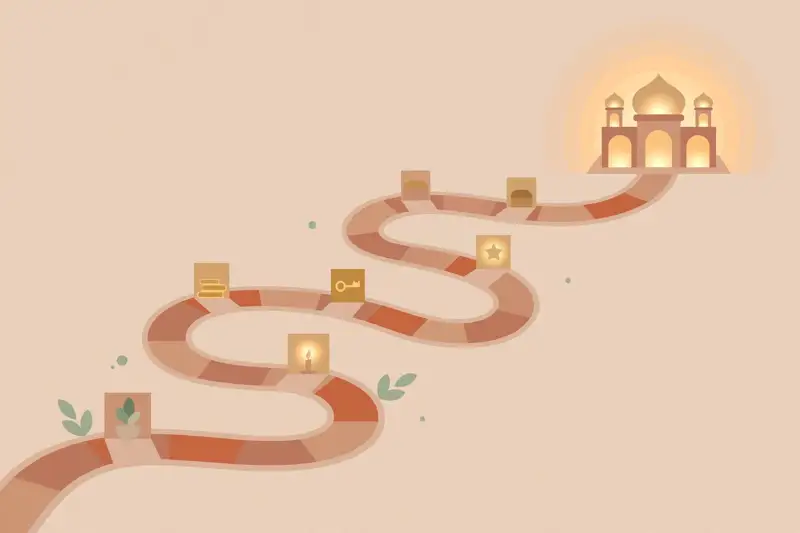
The memory palace is 2,500 years old and still the most powerful memorization technique ever discovered. The idea: take a place you know perfectly, your home, your walk to work, and place vivid images of what you want to remember along a route through it. To recall, walk the route in your mind.
Here is how to build one. Pick your home. Choose ten spots in order: front door, hallway, kitchen counter, and so on. To memorize a grocery list, place absurd images at each spot: a giant milk carton flooding the doorway, eggs juggling on the hallway table. The weirder and more multisensory, the better. Boring images fade. Absurd ones stick.
Walk the route to recall, and the items come back in order. Memory champions memorize decks of cards and thousand-digit numbers this way, with multiple palaces. Start small: one palace, ten spots, one grocery list. You will be stunned how well it works on the first try. It feels like cheating. It is just how your brain is wired: we remember places and images far better than abstractions.
Lesson 6
Before the memory palace, there are simpler tools that handle everyday loads. Acronyms compress lists into single words: HOMES for the Great Lakes, ROYGBIV for the rainbow. Make your own for anything with an order: shopping categories, presentation points, steps in a process.
Rhymes and rhythm exploit your brain's love of pattern. Thirty days hath September is centuries old because it works. Set anything to a beat or a rhyme and it sticks. Stories do the same for unordered items: weave the things you must remember into a short, vivid narrative. The narrative gives each item a cue to the next.
The principle behind all of these: elaborative encoding. You are giving the brain more hooks, more paths to the same memory. A bare fact has one fragile path. A fact wrapped in an acronym, a rhyme, and a story has three sturdy ones. When one path fails, another delivers.
Lesson 7
Getting it in is half the battle. Keeping it in is the other half. Memories decay on a curve, fast at first, then slower, and each successful recall resets the curve flatter. The trick is to review just as you are about to forget: the effort of retrieval at that edge is what strengthens the trace.
The schedule that works: review after one day, then three days, then a week, then two weeks, then monthly. Each round takes minutes because you are recalling, not relearning. Flashcards, self-quizzing, or simply re-walking your memory palace all work. The key discipline is testing yourself, not re-reading.
This is how you keep names, facts, vocabulary, and ideas for years instead of days. Professionals who must retain a lot, doctors, lawyers, pilots, all rely on spaced review whether they name it or not. Ten minutes a day of recall beats an hour of cramming every time.
Lesson 8
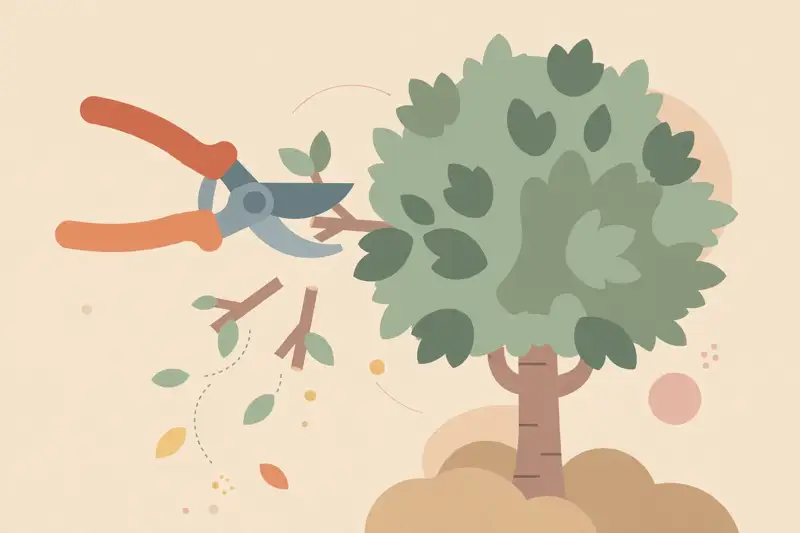
Your brain forgets on purpose. Every day it prunes weak, unused connections to keep the important ones accessible. A brain that remembered everything would be paralyzed by noise. Forgetting is not the enemy of memory. It is the curator.
This reframes the goal. You do not need to remember everything. You need to tell your brain what matters, through attention, emotion, repetition, and retrieval, and let it compost the rest. Fighting to remember trivia is wasted effort. The system works when you feed it signal and let it discard noise.
Help the curator. Decide what is worth keeping: names of people who matter, ideas you use, facts your work needs. Give those the full treatment: encode well, review spaced. Let the rest go without guilt. A good memory is not a full warehouse. It is a well-organized one.
Lesson 9
Some things should not be memorized at all. Keys, wallets, daily tasks, appointments: these are jobs for systems, not memory. Every minute spent searching for lost objects is a tax on a missing system. The rule: a place for everything, and everything in its place.
Build landing zones. Keys live on the hook by the door, always, no exceptions. Wallet and phone land on the dresser tray. Bag packed the night before by the door. These are not memory feats. They are decisions made once that pay off daily. The best memory system is the one that removes the need to remember.
For tasks and ideas, externalize instantly. Capture everything into one inbox: a notes app, a pocket notebook. Review it daily. Your brain is for having ideas, not holding them. Free it from storage duty and watch your actual memory improve, because attention is no longer split across forty open loops.
Lesson 10
Most reading evaporates because it is passive: eyes moving, mind elsewhere. Active reading encodes. Before you start, ask what you want from this. While reading, pause each section and summarize it in your own words. After finishing, close the book and recall the three main points.
Take notes by hand when it matters. The slower pace forces selection and paraphrase, which is elaborative encoding in action. But notes you never review are decoration. Schedule the spaced review: tomorrow, next week, next month. A book recalled three times becomes part of you.
Teach what you read. Explain the key idea to someone, or write a short summary as if for a friend. Teaching exposes gaps instantly and cements what you know. Readers who recall, note, review, and teach remember ten times more than readers who just turn pages. Be the first kind.
Lesson 11
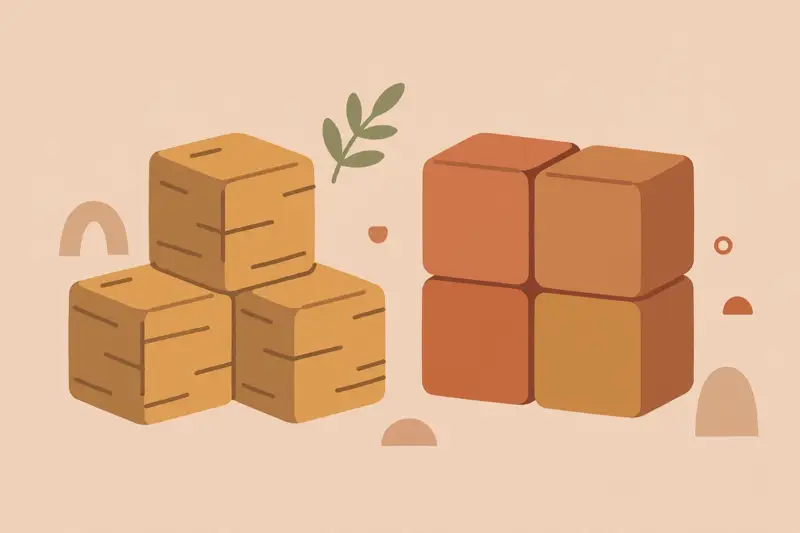
Working memory holds about four chunks, which is why raw numbers slide off. The fix is chunking: group digits into meaningful clusters. A ten-digit phone number is impossible as ten singles and easy as three chunks. License plates, PINs, and statistics all yield to chunking.
For longer numbers, use meaning or story. Turn 1492 into Columbus sailed the ocean blue. Turn a PIN into a date or a pattern on the keypad. The major system, converting digits to sounds to words, lets enthusiasts memorize hundreds of digits, but for daily life, chunking plus meaning covers everything.
For lists, combine techniques: chunk into groups of three or four, make the first letters into an acronym, or walk them through a small memory palace. Ordered lists get the palace. Unordered lists get the story. Either way, the principle holds: never try to hold raw items. Always encode them into structure.
Lesson 12
Here is the complete kit in one place. Encode: two seconds of full attention, say it out loud. Names: repeat, link vividly, use three times, review for a minute after. Lists and speeches: the memory palace, ten spots, absurd images. Facts and ideas: acronyms, rhymes, stories, and teaching. Numbers: chunk into threes and fours with meaning.
Retain: spaced review at one day, three days, a week, two weeks. Sleep 7 to 9 hours, because consolidation happens overnight. Exercise, because it grows the hardware. Externalize: landing zones for objects, one inbox for tasks, so your brain holds ideas instead of clutter.
Start with one win today. Pick the memory palace and memorize tomorrow's grocery list with it, or use the name method at your next introduction. One technique, used daily for a month, then add the next. In a year you will have the best memory of anyone you know, and it will be entirely engineered.
Graduation
You know the truth now: memory is software, and you just installed the upgrade. Attention at the doorway, vivid encoding, the memory palace, acronyms and stories, spaced retrieval, smart forgetting, and systems for everything trivial. Use one technique daily and it compounds. Your memory is not fixed. It never was.
Keep learning
This course is part of Starvard University, striving for greatness.